Patagonia, Chile & Argentina – Where the Wild Still Rules
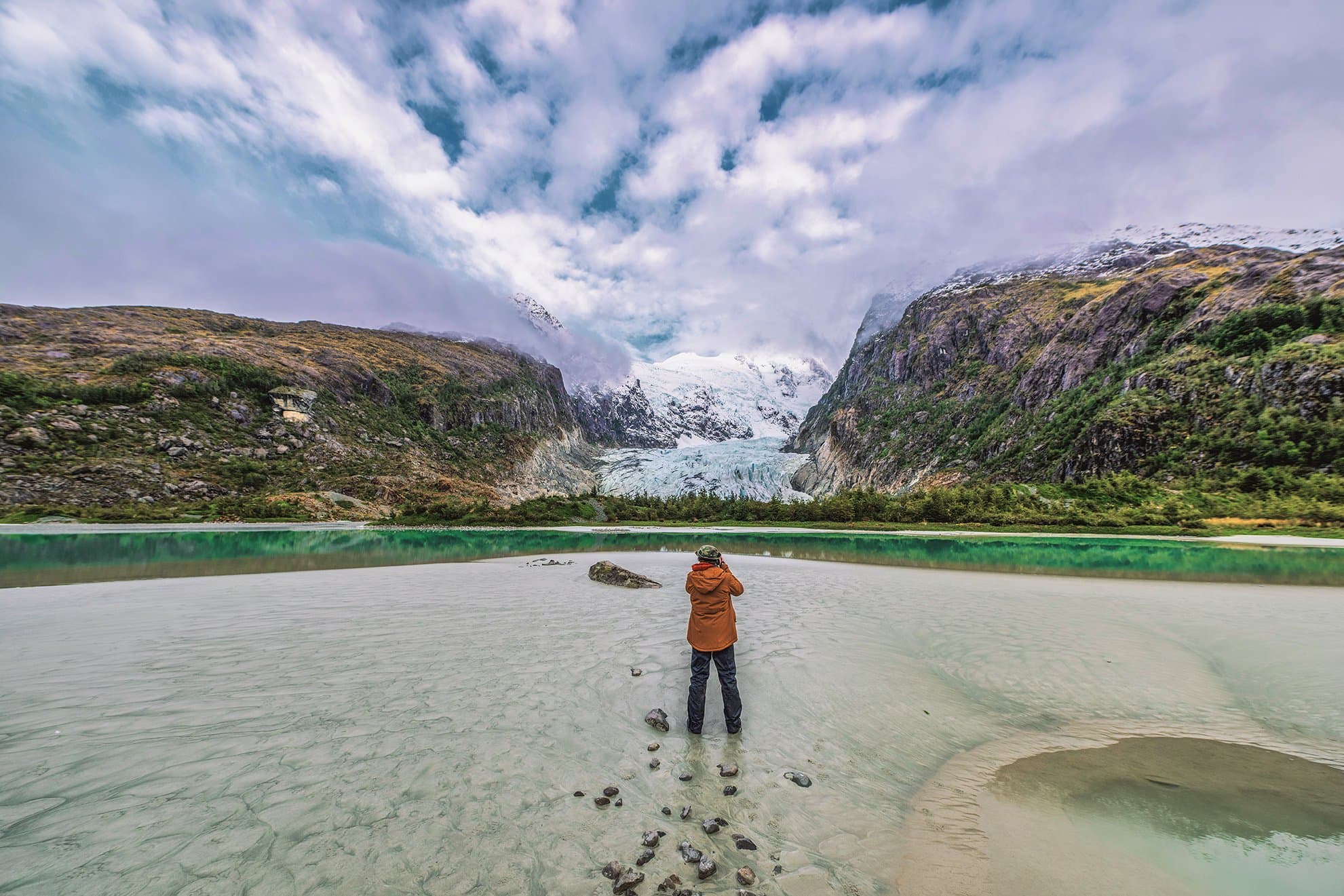
If there’s one place on Earth that still feels untouched, raw, and wildly beautiful, it’s Patagonia. Stretching across the southernmost tip of Chile and Argentina, this vast land is where the world feels ancient — where wind-carved mountains scrape the clouds, glaciers shimmer in turquoise lakes, and herds of guanacos graze freely under a never-ending sky.
Patagonia isn’t just a destination. It’s an experience — a reminder of how small we truly are in the face of nature’s magnificence. For adventurers, hikers, photographers, and anyone craving true solitude, Patagonia is nothing short of a dreamscape come alive.
So, lace up your boots, grab your camera, and let’s explore “Where the Wild Still Rules.”
Chapter 1: Welcome to the End of the World
The first thing you feel when you arrive in Patagonia isn’t what you see — it’s what you don’t see. There are no skyscrapers, no city noise, no billboards. Just silence, wind, and nature as far as the eye can reach.
Patagonia covers a massive 1 million square kilometers, shared between Chile and Argentina. Despite its size, the population is tiny — meaning that for every human you meet, you might see a dozen wild animals roaming free. It’s often described as “the end of the world,” and once you stand at the edge of a Patagonian cliff overlooking an endless valley, you understand exactly why.
Whether you’re entering through El Calafate in Argentina or Punta Arenas in Chile, the landscape starts transforming almost instantly. The cities fade away, and the wilderness begins its slow, magnificent takeover.
Chapter 2: Nature’s Grand Masterpiece
Patagonia is a masterpiece painted by time itself — glaciers, peaks, and plains shaped over millions of years. Its diversity is astounding. In one region, you can hike through snow-capped mountains; in another, you’ll find desert-like steppes or icy fjords filled with seals and penguins.
One of the most mesmerizing features of Patagonia is its light. The sky changes colors constantly — deep blue in the morning, fiery orange at sunset, and a curtain of stars so dense at night that it feels unreal. If you’re lucky, you might even catch the Southern Lights (Aurora Australis), dancing quietly across the horizon.
Chapter 3: Torres del Paine – Chile’s Wild Heart
When people think of Chilean Patagonia, one name always stands out: Torres del Paine National Park. Often called the “Crown Jewel of Patagonia,” this UNESCO Biosphere Reserve is home to some of the most stunning landscapes on Earth.
Picture this: granite towers piercing the clouds, glacial lakes shimmering in sapphire hues, and trails winding through meadows where wildflowers bloom in vibrant colors. The park’s main icons — the Torres (Towers) — are three colossal peaks that dominate the skyline, standing as silent guardians of the land.
Popular hikes include:
- The W Trek: A 5-day journey that takes you past glaciers, waterfalls, and the base of the towers.
- The O Circuit: A longer, more remote loop for true adventurers who crave solitude.
Along the way, you’ll encounter guanacos, condors, and maybe even the elusive puma. Torres del Paine is one of the few places left on Earth where wildlife and wilderness still rule the land.
Chapter 4: Perito Moreno Glacier – The Ice Giant of Argentina
Cross over to Argentina, and you’ll find one of Patagonia’s most iconic wonders — the Perito Moreno Glacier. Located in Los Glaciares National Park, this immense river of ice stretches over 30 kilometers and towers 70 meters above the water’s surface. But what makes it truly special is that it’s alive.
Unlike most glaciers that retreat each year, Perito Moreno is one of the few that remains stable — it advances, groans, and occasionally bursts apart in spectacular fashion. Visitors often stand in silence, waiting for the thunderous crack of ice collapsing into the turquoise waters below. It’s nature’s version of fireworks.
You can even walk on the glacier itself — guided tours allow you to strap on crampons and explore its surreal blue caves and crevasses. Every step echoes with the crunch of ancient ice, reminding you of how timeless this place truly is.
Chapter 5: El Chaltén – Argentina’s Hiking Capital
If you’re a hiker, El Chaltén will feel like heaven. This small mountain village sits at the foot of Mount Fitz Roy, one of the most breathtaking peaks in South America. Unlike Torres del Paine, where multi-day treks are common, El Chaltén offers incredible trails you can complete in a single day — perfect for both casual explorers and hardcore adventurers.
Top hikes include:
- Laguna de los Tres: The most famous, leading to a jaw-dropping view of Fitz Roy reflected in a turquoise lake.
- Laguna Capri: A shorter route with panoramic views of the surrounding peaks.
- Loma del Pliegue Tumbado: For those seeking solitude and sweeping valley views.
After a long day of trekking, you can return to town, grab a craft beer, and share stories with fellow travelers. There’s a special kind of camaraderie here — a community bonded by a shared love for the mountains.
Chapter 6: Wildlife Encounters in the Untamed Land
Patagonia’s wildlife is as remarkable as its landscapes. The region is home to some of the rarest and most resilient species on the planet.
- Guanacos (wild relatives of llamas) roam the grasslands freely.
- Andean condors soar high above the cliffs, their massive wings casting shadows over valleys.
- Along the coasts, you might spot penguins, sea lions, and even whales in the icy waters.
For birdwatchers, Patagonia is paradise. Over 500 species of birds can be found here — from colorful parrots in the forests to majestic raptors in the mountains. And for those who crave the thrill of the wild, spotting a puma — Patagonia’s top predator — is the ultimate prize.
Chapter 7: The Magic of the Lakes and Glaciers
Beyond its mountains, Patagonia is a land of water — endless rivers, emerald lakes, and enormous glaciers. The Lake District, which spans both Chile and Argentina, feels almost mythical. Picture mirror-like lakes surrounded by snow-covered volcanoes and lush forests.
Top spots include:
- Lake Pehoé (Chile): Famous for its surreal turquoise color.
- Lago Argentino (Argentina): The country’s largest lake, home to icebergs that drift lazily from nearby glaciers.
- General Carrera Lake: Shared by Chile and Argentina, known for its Marble Caves — natural rock formations that look like something out of a dream.
Each lake reflects the sky differently, shifting from icy blue to deep emerald depending on the light. It’s a photographer’s playground.
Chapter 8: The Wind, the Silence, and the Spirit of Patagonia
Patagonia isn’t gentle — and that’s what makes it beautiful. The winds here are legendary; they can sweep across the plains with astonishing power, reshaping the land and testing your endurance. But it’s in that challenge that Patagonia reveals its soul.
Standing alone in a vast valley, feeling the wind whip through your hair and the mountains rise around you, you understand why this place is so often described as spiritual. There’s a sense of purity here — a deep connection to the natural world that modern life has all but forgotten.
Many travelers come to Patagonia seeking adventure, but leave with something deeper: perspective. In a world that moves too fast, Patagonia reminds you to slow down, breathe, and listen.
Chapter 9: A Taste of Patagonia – Food and Culture
Though remote, Patagonia’s culture is rich and warm. Both Chilean and Argentine Patagonia share a love for hearty meals — perfect for refueling after long days in the wild.
Try:
- Cordero Patagónico (Patagonian Lamb): Slow-roasted over an open fire until it’s tender and smoky.
- Empanadas: A classic Argentine snack filled with meat, cheese, or vegetables.
- King Crab and Fresh Trout: Common along the southern coast, especially in Ushuaia and Puerto Natales.
And don’t forget the wine — Argentina’s Malbec and Chile’s Carmenere pair beautifully with the local dishes. After dinner, locals often share mate, a traditional herbal drink that symbolizes friendship and connection.
Chapter 10: The Roads Less Traveled
Patagonia isn’t about luxury resorts or crowded tours. It’s about the journey. The Carretera Austral in Chile and Ruta 40 in Argentina are two of the most scenic drives in the world, stretching for thousands of kilometers through wild, untouched terrain.
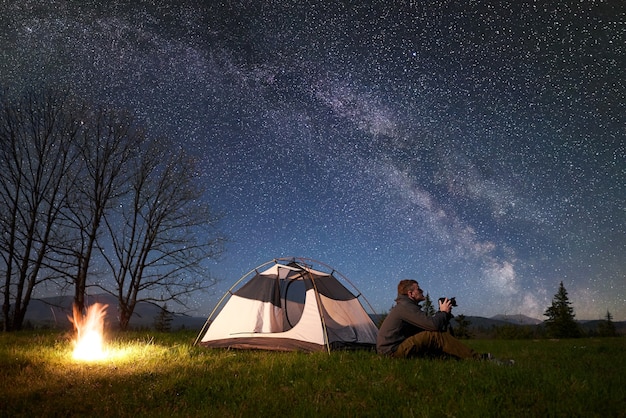
Driving here feels like a true adventure — gravel roads, dramatic mountain passes, and tiny villages that seem frozen in time. You’ll cross bridges over roaring rivers, spot wild animals along the roadside, and maybe even camp under a sky so full of stars that you’ll forget what darkness ever felt like.
For the ultimate sense of freedom, rent a camper van or 4×4 and create your own route. Patagonia rewards curiosity — every turn brings a new wonder.
Chapter 11: The People of Patagonia
Despite its ruggedness, Patagonia is also about the people — humble, resilient, and deeply connected to the land. From Mapuche communities preserving their ancient traditions to gauchos (cowboys) riding across endless plains, Patagonian culture is built on respect for nature and self-reliance.
Stay a few nights on a local estancia (ranch), and you’ll learn about traditional sheep farming, horseback riding, and the simple joy of life under the open sky. These encounters give depth to your journey — reminding you that Patagonia isn’t just landscapes, but also stories.
Chapter 12: When to Visit Patagonia
Patagonia’s seasons are dramatic. The best time to visit depends on what you’re looking for:
- Summer (December–February): Warmest weather, perfect for hiking and photography.
- Autumn (March–May): Fewer tourists and stunning red-gold foliage.
- Winter (June–August): Snowy landscapes and peaceful solitude, ideal for those seeking quiet.
- Spring (September–November): Flowers bloom, wildlife awakens, and the land comes alive again.
No matter when you come, Patagonia always feels alive — changing with the seasons but never losing its raw, untamed beauty.
Chapter 13: Capturing the Spirit – Photography and Inspiration
For photographers, Patagonia is pure magic. Every scene looks like it belongs on a postcard — jagged peaks, rolling clouds, glacial lakes, and endless skies. Sunrise and sunset are especially powerful, painting the mountains in shades of gold, pink, and purple.
But the real secret to photographing Patagonia? Patience. The weather changes fast — one minute, it’s cloudy and gray; the next, sunlight breaks through and reveals a view so stunning it takes your breath away. Don’t chase perfection — let Patagonia reveal itself to you.
Conclusion: Where the Wild Still Rules
Patagonia, at its core, is a place that refuses to be tamed. It’s where the wild still reigns supreme — where mountains rise like sentinels, glaciers whisper the stories of time, and the wind carries the song of freedom.
In a world increasingly dominated by technology and convenience, Patagonia reminds us of something vital: the beauty of being small in a vast, untamed world.
Whether you’re trekking the Torres del Paine, standing before Perito Moreno’s icy majesty, or simply watching the sunset over an empty valley, you’ll feel it — that deep, timeless connection to nature.