Denmark’s Best-Kept Secret No One Talks About
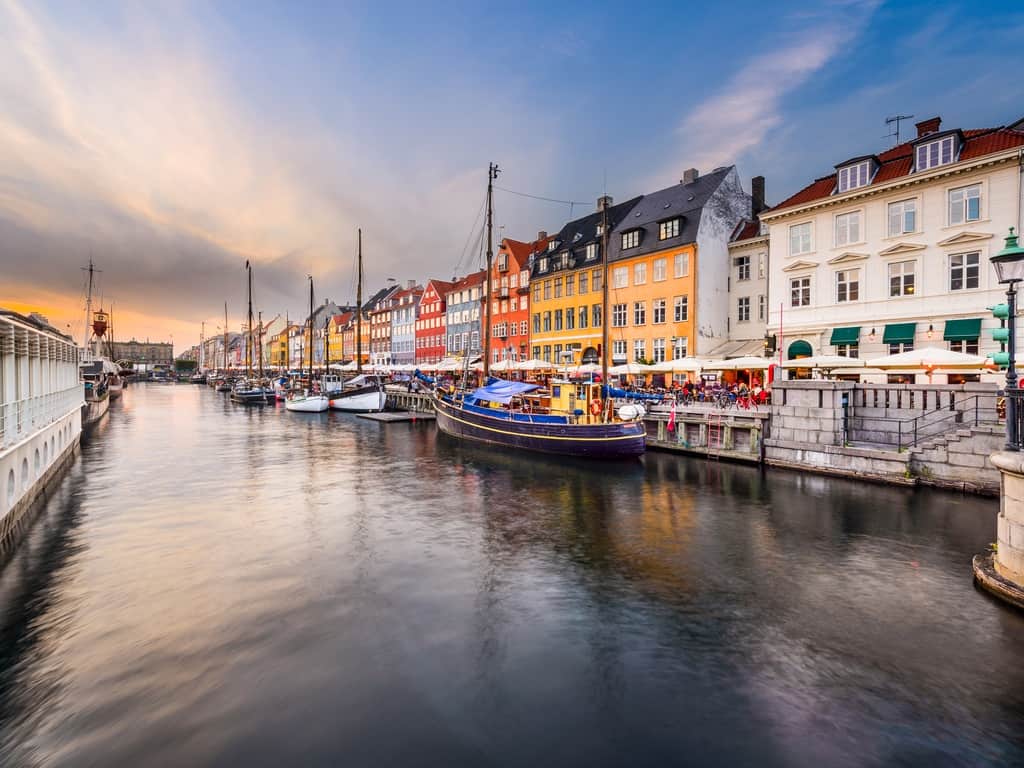
When people think about Denmark, their minds usually go straight to Copenhagen. Colorful houses in Nyhavn, minimalist design, cozy cafés, and bicycle-filled streets. Denmark feels modern, stylish, and comfortable. But what if I told you that far beyond Copenhagen’s clean streets and charming canals, there’s a place so wild, dramatic, and untouched that it feels like another world entirely?
This place exists—and almost no one talks about it.
Welcome to the Faroe Islands, Denmark’s best-kept secret.
Hidden between Iceland and Norway in the North Atlantic Ocean, the Faroe Islands are a collection of rugged islands shaped by wind, waves, and time. This is where towering cliffs drop straight into the sea, waterfalls fall directly into the ocean, sheep outnumber people, and mist moves like a living thing across green hills. It’s quiet. It’s raw. And it’s breathtaking in a way that photos can never fully capture.
Despite their unbelievable beauty, the Faroe Islands remain largely under the radar. They’re not flashy. They’re not trendy. And they don’t try to impress you. Instead, they slowly pull you in, making you feel like you’ve discovered something rare—something the world hasn’t ruined yet.
This is the story of Denmark’s hidden secret that no one talks about.
Where Exactly Are the Faroe Islands?
The Faroe Islands are an autonomous territory within the Kingdom of Denmark, located roughly halfway between Iceland and Norway. The archipelago consists of 18 main islands, connected by tunnels, bridges, and ferries. Despite their remote location, getting around is surprisingly easy once you arrive.
The total population is just over 50,000 people, and life here moves at a completely different pace. There are no mega cities, no massive resorts, and no overcrowded tourist attractions. Instead, you’ll find small villages with grass-roofed houses, narrow roads winding through mountains, and endless views of the Atlantic Ocean.
From the moment you arrive, it becomes clear: this place isn’t built for mass tourism—and that’s exactly why it’s so special.
Why No One Talks About the Faroe Islands
So why are the Faroe Islands still a secret?
First, they’re remote. The weather is unpredictable. The landscape is dramatic and sometimes challenging. This isn’t a destination for people who want beach clubs, shopping malls, or luxury nightlife. It’s for travelers who want nature, silence, and authentic experiences.
Second, the Faroe Islands don’t market themselves aggressively. There’s no “Instagram hype” machine pushing them into the mainstream. In fact, locals actively promote responsible tourism, encouraging visitors to respect nature and travel mindfully.
And finally, the Faroe Islands require effort. You need to plan. You need to embrace uncertainty. You need to be okay with rain, wind, and fog. But for those willing to accept that, the reward is unforgettable.
First Impressions: A Land That Feels Unreal
Landing in the Faroe Islands feels like stepping into a movie scene. As the plane descends, you’ll see steep green cliffs rising from the sea, wrapped in clouds. Roads curve through mountains. Tiny villages cling to the edges of fjords.
There’s a strong sense of isolation—but not loneliness. It’s peaceful. Powerful. Humbling.
The air feels clean in a way that’s hard to explain. The silence is deep, broken only by wind, waves, and the distant sound of sheep bells. It’s the kind of place that makes you slow down without trying.
Nature That Dominates Everything
Nature isn’t just part of the Faroe Islands—it rules them.
Dramatic Cliffs and Endless Ocean
Some of the highest sea cliffs in Europe are found here. Standing at the edge, looking down at waves crashing hundreds of meters below, you feel small—and strangely alive.
Places like Trælanípa, often called the “floating lake,” challenge your sense of reality. From certain angles, the lake appears to hover above the ocean, separated by nothing but air. It’s one of those moments where you just stop and stare, trying to understand what you’re seeing.
Waterfalls That Fall Into the Sea
Waterfalls are everywhere in the Faroe Islands. Some are easily accessible, while others appear suddenly along the roadside after heavy rain.
One of the most famous is Múlafossur Waterfall in the village of Gásadalur. It drops dramatically from a cliff straight into the ocean, with mountains rising behind it. It looks unreal—especially when mist and wind add to the drama.
Villages Straight Out of a Fairytale
The Faroese villages are small, quiet, and incredibly charming.
Grass-roofed houses blend into the landscape, as if nature and architecture decided to coexist peacefully instead of competing. Many villages have just a few dozen houses, a church, and a harbor.
Walking through these villages feels intimate. There are no souvenir shops on every corner. No loud crowds. Just everyday life unfolding slowly.
People greet each other. Children play outside. Fishermen prepare their boats. It’s simple—and beautiful.
The Weather: Wild, Moody, and Magical
Let’s be honest: the weather in the Faroe Islands can be challenging. You might experience sun, rain, wind, and fog all in one hour.
But here’s the secret: the weather is part of the magic.
Fog rolls over mountains like a living creature. Clouds move fast, creating dramatic light and shadow. Rain makes the greens greener and brings waterfalls to life.
Instead of fighting the weather, you learn to embrace it. And when the sun does break through, it feels like a gift.
Hiking in the Faroe Islands: Raw and Rewarding
Hiking is one of the best ways to experience the Faroe Islands. Trails lead you across mountain ridges, along cliffs, and into valleys that feel untouched by time.
Some hikes are short and accessible, while others are more demanding. But almost every trail offers views that feel epic.
One important thing to note: many hiking paths cross private land, and some require a small fee. This system helps protect nature and supports local communities.
Hiking here isn’t about speed or competition. It’s about presence—taking your time, listening to the wind, and letting the landscape speak.
Wildlife and Birds: Life on the Edge
The Faroe Islands are a paradise for bird lovers. Millions of seabirds nest along the cliffs during the summer months.
Puffins, in particular, are a highlight. Watching these colorful birds waddle along cliffs or fly awkwardly over the ocean is pure joy.
Sheep are everywhere—often standing calmly in the middle of the road, completely unbothered by cars. In fact, sheep outnumber humans in the Faroe Islands, and they’ve become a symbol of the islands themselves.
Food: Simple, Local, and Honest
Faroese cuisine reflects the environment: simple, seasonal, and deeply connected to nature.
Seafood is a major part of the diet—fresh fish, shellfish, and traditional dishes prepared with care. Lamb is also common, often air-dried using natural wind and sea air.
In recent years, the Faroe Islands have gained attention for their New Nordic cuisine, blending tradition with modern creativity. You’ll find small restaurants serving surprisingly refined meals using local ingredients.
Eating here isn’t about luxury—it’s about authenticity.
Life Moves Slower Here
One of the most striking things about the Faroe Islands is how slow life feels.
There’s no rush. No pressure to “do it all.” Shops close early. Nature decides the schedule. If the weather changes, plans change—and that’s okay.
This slower pace can feel strange at first, especially if you’re used to busy cities. But soon, it becomes refreshing. You breathe deeper. You think clearer. You sleep better.
Sustainable Travel and Respect for Nature
The Faroe Islands take sustainability seriously. Locals are deeply connected to the land and sea, and they want to protect it.
Initiatives like temporarily closing certain sites for maintenance and conservation show a commitment to long-term preservation rather than short-term tourism profit.
As a visitor, you’re not just a tourist—you’re a guest. Respecting nature, following local guidelines, and traveling responsibly are essential.
Best Time to Visit the Faroe Islands
The most popular time to visit is between May and September, when days are longer and hiking conditions are better.
Summer offers lush landscapes and birdlife, while early autumn brings dramatic colors and fewer visitors. Winter is quieter and darker, but also deeply atmospheric—perfect for those who enjoy solitude and moody landscapes.
There’s no “perfect” season—only different moods of the islands.
Why the Faroe Islands Stay With You
The Faroe Islands don’t shout for attention. They don’t try to impress you with luxury or entertainment. Instead, they quietly leave a mark on you.
Long after you leave, you’ll remember:
- The sound of wind over cliffs
- The smell of the sea
- The way clouds moved across the mountains
- The feeling of standing alone, surrounded by raw beauty
This is the kind of place that changes how you see the world—and how you see yourself.
Is the Faroe Islands Worth the Effort?
Absolutely.
If you’re looking for something different. Something real. Something untouched.
The Faroe Islands aren’t for everyone—and that’s why they remain Denmark’s best-kept secret. But for those who connect with wild landscapes, quiet moments, and meaningful travel, this place feels like a gift.
Final Thoughts: A Secret Worth Keeping—But Sharing Carefully
The Faroe Islands remind us that the world still has places that haven’t been overexposed. Places where nature comes first. Places that don’t need filters or hype.
They are Denmark’s hidden secret—not because they’re hidden on a map, but because they reveal themselves slowly, only to those willing to truly see.
If you’re ready to step away from crowds, noise, and distractions, the Faroe Islands are waiting.
Quietly. Patiently. Beautifully. 🌍✨