Faroe Islands – Europe’s Wild Frontier
(from the series: Top Breathtaking Destinations Around the World)
If you’ve ever dreamed of visiting a place where nature feels raw, wild, and almost untouched by time, then welcome to the Faroe Islands — a remote cluster of emerald-green cliffs rising from the North Atlantic, halfway between Norway and Iceland.
This is not your typical European getaway. There are no crowded beaches, no luxury malls, and definitely no skyscrapers. Instead, the Faroe Islands offer something far more precious — freedom, solitude, and pure, unfiltered beauty.
Here, the wind sings across the cliffs, waterfalls tumble straight into the ocean, and tiny villages cling to the edges of fjords as if defying the elements. It’s a land where sheep outnumber people, fog rolls like a living creature, and every corner feels like it belongs in a fantasy film.
Welcome to Europe’s Wild Frontier — the Faroe Islands.
🌍 A Hidden World in the North Atlantic
Let’s start with a bit of geography. The Faroe Islands (pronounced Fah-rah-oh) are an archipelago of 18 volcanic islands, located between Scotland, Norway, and Iceland. Politically, they’re part of the Kingdom of Denmark, but culturally, they’re entirely their own — with Faroese language, Viking heritage, and a deep connection to the sea.
What’s fascinating about the Faroes is how isolated yet modern they are. Despite their wild location, they have top-notch infrastructure — tunnels carved through mountains, ferries connecting the islands, and Wi-Fi almost everywhere (yes, even on remote cliffs!).
But don’t come here for the cities — come for the untamed landscapes. The Faroes are pure drama: towering sea stacks, deep fjords, black-sand beaches, and weather that changes every five minutes. It’s where nature rules, and humans are humble guests.
🏞️ Tórshavn – The Cozy Capital by the Sea
Your adventure starts in Tórshavn, one of the smallest capitals in the world — and arguably one of the most charming. With a population of just around 20,000, it feels more like a village than a city.
Colorful houses line the harbor, fishing boats bob gently in the water, and turf-roofed cottages give the old town, Tinganes, a storybook vibe. Walking through these narrow lanes feels like stepping back in time — this was once a Viking parliament site!
Despite its size, Tórshavn has a vibrant energy. You’ll find modern cafés, Nordic restaurants, and cozy pubs where locals gather for beer, music, and laughter. There’s also a thriving art scene — painters, photographers, and musicians inspired by the islands’ moody beauty.
Try a meal at Áarstova or Ræst, where traditional Faroese cuisine — think fermented lamb, fresh cod, and whale (for the adventurous) — meets modern Nordic presentation.
Tórshavn isn’t about rushing; it’s about soaking in simplicity. Watch the boats come and go, feel the salty air on your face, and let time slow down.
🌫️ Saksun – The Village Frozen in Time
Drive northwest from Tórshavn, and after about an hour of winding mountain roads and misty valleys, you’ll arrive at Saksun — a tiny village that feels like it’s from another century.
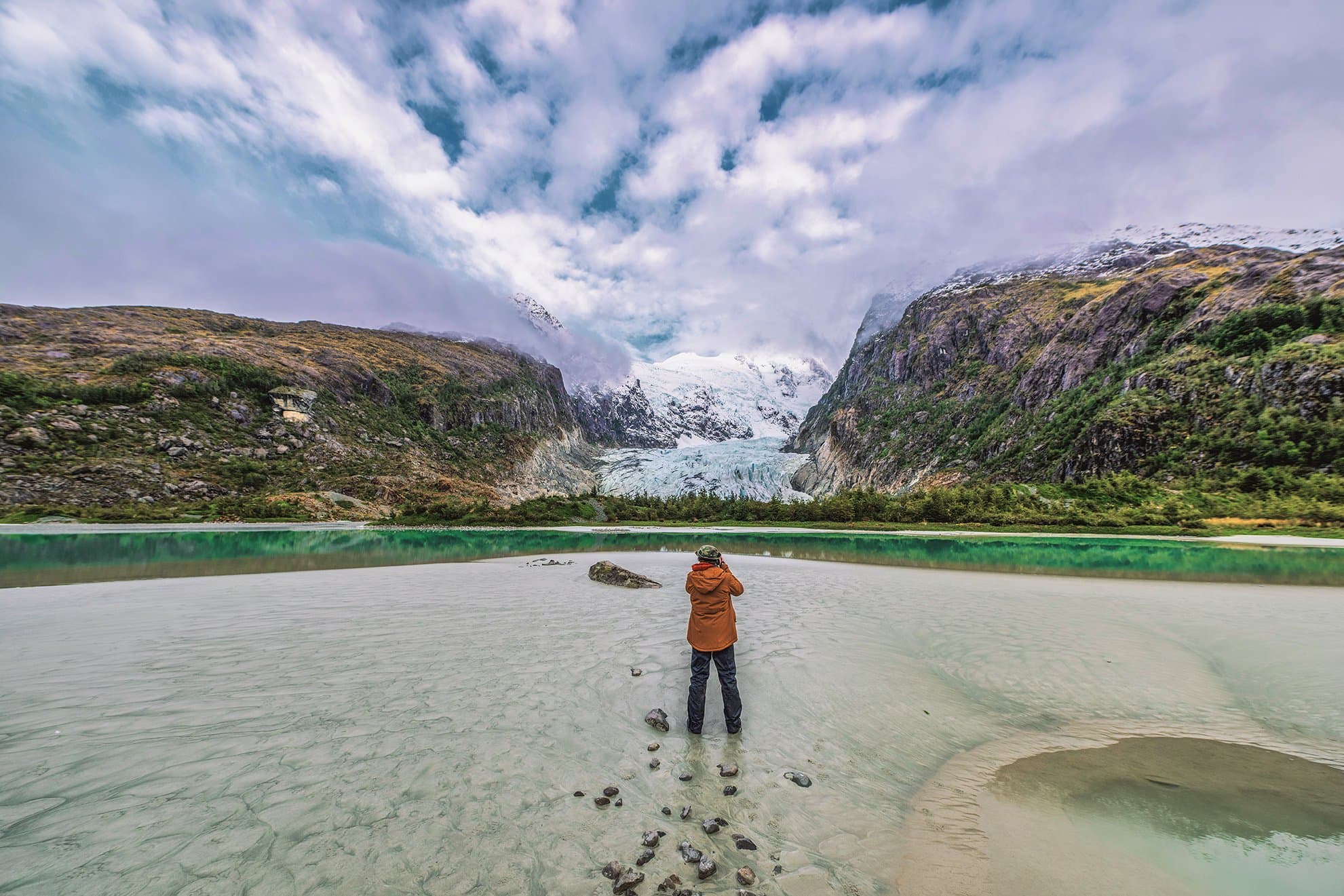
Nestled in a natural amphitheater surrounded by towering cliffs, Saksun overlooks a lagoon that fills and empties with the tide. Only a handful of families live here, their black wooden cottages with grass roofs perfectly blending into the landscape.
It’s quiet. Almost too quiet. The only sounds are the wind, the sheep, and the occasional rush of a waterfall in the distance.
Walk down to the lagoon during low tide — the scenery will take your breath away. The reflection of cliffs in the still water, the smell of salt and moss, the crisp, clean air — it all feels like a dream you don’t want to wake from.
Saksun isn’t just beautiful — it’s soulful. It reminds you of how peaceful life can be when you live in rhythm with nature.
🏔️ Gásadalur – The Icon of the Faroes
If you’ve ever seen a postcard or Instagram photo of the Faroe Islands, chances are it’s Gásadalur — home to the iconic Múlafossur Waterfall, which plunges dramatically from a grassy cliff into the ocean below.
For years, Gásadalur was one of the most isolated villages in the Faroes. Until 2004, the only way to reach it was by hiking over a steep mountain path. Today, a tunnel connects it to the rest of the island, but it still feels wonderfully remote.
Standing here, you’ll understand why this place captures so many hearts. The waterfall, the cliffs, the tiny village perched at the edge — it’s like something out of a fantasy novel.
Visit during sunset, when the golden light spills across the sea and the waterfall glows like liquid fire. Or come early in the morning, when fog drifts lazily through the valley and everything feels like a secret.
No matter the weather, Gásadalur is pure magic.
🌊 Mykines – The Bird Paradise
For wildlife lovers, Mykines is paradise. This westernmost island is a haven for puffins, gannets, and fulmars — especially during summer, when thousands nest along its grassy cliffs.
Getting to Mykines is an adventure in itself — you’ll need to take a ferry (or a helicopter if you’re feeling fancy) from the island of Vágar. Once you arrive, the world feels far away.
Hike along the Mykineshólmur trail, which crosses a narrow footbridge over roaring waves and leads to a lonely lighthouse standing defiantly at the edge of the world. On the way, you’ll walk among puffins that seem totally unbothered by humans — they waddle, fly, and dive right before your eyes.
The views? Unreal. Imagine standing on a green ridge surrounded by blue ocean and seabirds soaring below you. It’s humbling, exhilarating, and deeply peaceful all at once.
Just remember — the weather can change quickly. Fog might roll in suddenly, turning the whole island into a mysterious dreamscape. But that’s part of the Faroe charm.
🏞️ Kalsoy – The Island of Legends
If you love mythology and mystery, Kalsoy is your kind of island. Nicknamed the “Flute” because of its long, narrow shape and many tunnels, Kalsoy is famous for its wild scenery and haunting legends.
The most famous tale is that of the Selkie Woman of Mikladalur — a tragic love story about a seal who transformed into a woman and married a human, only to be betrayed. Her statue now stands by the sea in the village, staring eternally toward the waves — beautiful, melancholic, and powerful.
But the highlight of Kalsoy is the Kallur Lighthouse hike, one of the most breathtaking trails in Europe. The path leads across a grassy ridge with sheer drops on both sides, ending at a small lighthouse perched high above the roaring Atlantic.
It’s not a difficult hike, but it’s incredibly dramatic. When you reach the end, the view is otherworldly — steep cliffs, endless ocean, and the wind howling in your ears.
It’s easy to see why the Faroe Islands were used as filming locations for movies like James Bond: No Time to Die. The landscapes are cinematic by nature.
🌦️ Weather: The Island’s Mood Swing
If there’s one thing to remember about the Faroe Islands, it’s this: expect everything.
Rain, sunshine, fog, wind — often all within the same hour. The weather here has a personality, and it loves to surprise you.
But that’s the beauty of it. The shifting skies make the islands constantly change character — from bright and cheerful to dark and mysterious.
Locals joke, “If you don’t like the weather, wait five minutes.”
So pack waterproof everything, layer up, and embrace the unpredictability. After all, it’s the drama of the weather that gives the Faroes their wild charm.
🚗 Getting Around the Faroes
The best way to explore is to rent a car. The road network is surprisingly excellent, with undersea tunnels, scenic bridges, and mountain passes connecting the islands.
Driving here feels like freedom itself. Sometimes, you won’t see another car for miles — just sheep, cliffs, and sea.
A few travel tips:
- Drive slowly — sheep roam freely.
- Bring snacks; gas stations can be few and far between.
- And don’t rush. The Faroes are meant to be savored, not sprinted through.
For more remote islands like Mykines or Kalsoy, you’ll need ferries or small boats. Be sure to check schedules — weather can affect sailings.
🏡 Staying in the Faroes
Accommodation options range from cozy guesthouses and family-run B&Bs to chic boutique hotels in Tórshavn.
For a true local experience, consider staying in a grass-roofed cabin overlooking a fjord. Imagine sipping hot tea by the fire while fog rolls over the valley outside your window — it’s the ultimate Faroese vibe.
If you love unique stays, try Gjáargarður Guesthouse in Gjógv, a stunning village surrounded by cliffs, or Hotel Føroyar, which offers sweeping views of Tórshavn and the ocean beyond.
🍲 Faroese Cuisine – Fresh, Simple, and Brave
Food in the Faroe Islands reflects its landscape — pure, simple, and sometimes daring. The Faroese have relied on seafood, sheep, and preservation techniques for centuries due to the harsh climate.
Try local favorites like:
- Ræst lamb – wind-dried and fermented meat, a traditional delicacy.
- Fresh salmon or cod, often smoked or grilled.
- Skyr-like yogurt, creamy and slightly tangy.
- Rugbrød, dense dark rye bread.
Modern chefs are now reinventing these classics in world-class restaurants like Koks, the Faroe Islands’ Michelin-starred gem. Dining there feels like a culinary adventure through the island’s natural pantry.
🧭 Adventure Awaits – Hiking, Sailing, and Soaring
If you love outdoor adventure, the Faroes are your playground. Hiking trails weave through valleys and over peaks, offering views that will make your heart skip a beat.
Popular hikes include:
- Trælanípa (Slave Cliff) – a stunning viewpoint overlooking Lake Sørvágsvatn, which appears to float above the ocean.
- Kallur Lighthouse on Kalsoy – dramatic and iconic.
- Viðareiði Ridge – for epic panoramic views.
You can also go sea kayaking through fjords, ride horses across windswept plains, or sail beneath cliffs that rise 600 meters straight out of the ocean.
For photographers and dreamers, every turn is a new masterpiece.
🌌 Faroe Nights – Silence and Stars
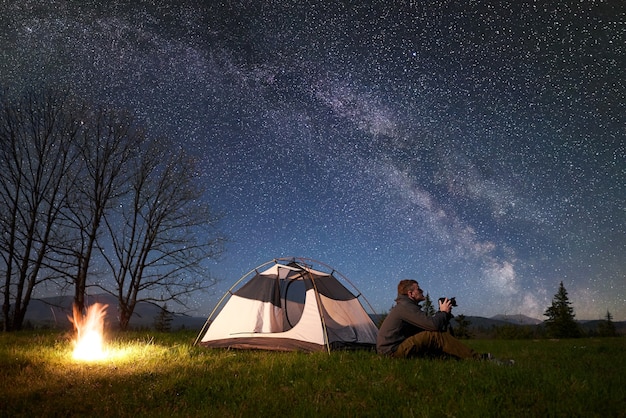
At night, the islands grow quiet — no traffic, no city lights, just wind and waves. On clear nights, the stars shine brighter than you’ve ever seen. And in winter, if you’re lucky, you might even witness the Northern Lights dancing above the cliffs.
Sitting outside in that stillness, wrapped in a blanket, with the Milky Way overhead — it’s one of those life moments that makes you feel infinitely small yet deeply alive.
🕰️ When to Visit
- Summer (June–August): Best weather, long daylight hours, lush green landscapes, and puffin season.
- Spring/Autumn: Quieter, moodier light, fewer tourists — photographers love it.
- Winter (December–February): Short days, storms, and a chance for Northern Lights. It’s raw, wild, and deeply peaceful.
❤️ The Soul of the Faroes
Beyond the cliffs, waterfalls, and villages, what makes the Faroe Islands truly special is their soul. There’s an honesty here — a kind of purity that modern life rarely offers.
The people are kind, humble, and deeply connected to the land and sea. They don’t just live in nature — they live with it.
Visiting the Faroes isn’t about checking sights off a list; it’s about feeling the rhythm of the islands — the wind, the rain, the endless ocean. It’s about rediscovering the beauty of simplicity and silence.
When you leave, you don’t just remember what you saw — you remember how it felt.
🌠 Conclusion – The Call of Europe’s Wild Frontier
The Faroe Islands aren’t for everyone — and that’s what makes them special. They’re for travelers who crave something real. For those who want to trade comfort for connection, noise for silence, and luxury for awe.
This is Europe’s last true wilderness — raw, poetic, and humbling.
So if your heart beats for adventure, if your soul longs for solitude, pack your bags and answer the call of the Faroe Islands. Because once you stand on those cliffs, feeling the Atlantic wind on your face, you’ll understand:
This isn’t just another destination.
It’s a dream carved by wind and sea — and it will stay with you forever.